Open 24/7, Monday to Sunday | Serving Washington since 2015(252) 250-3738
Aaron Dumpster RentalDumpster Rental Washington, NC
Dumpster Rental Washington, NC

Local dumpster service

Dumpster Rental Washington, NC

Aaron Dumpster Rental confirms placement, load limits, and pickup timing before delivery, with the details documented for your project.

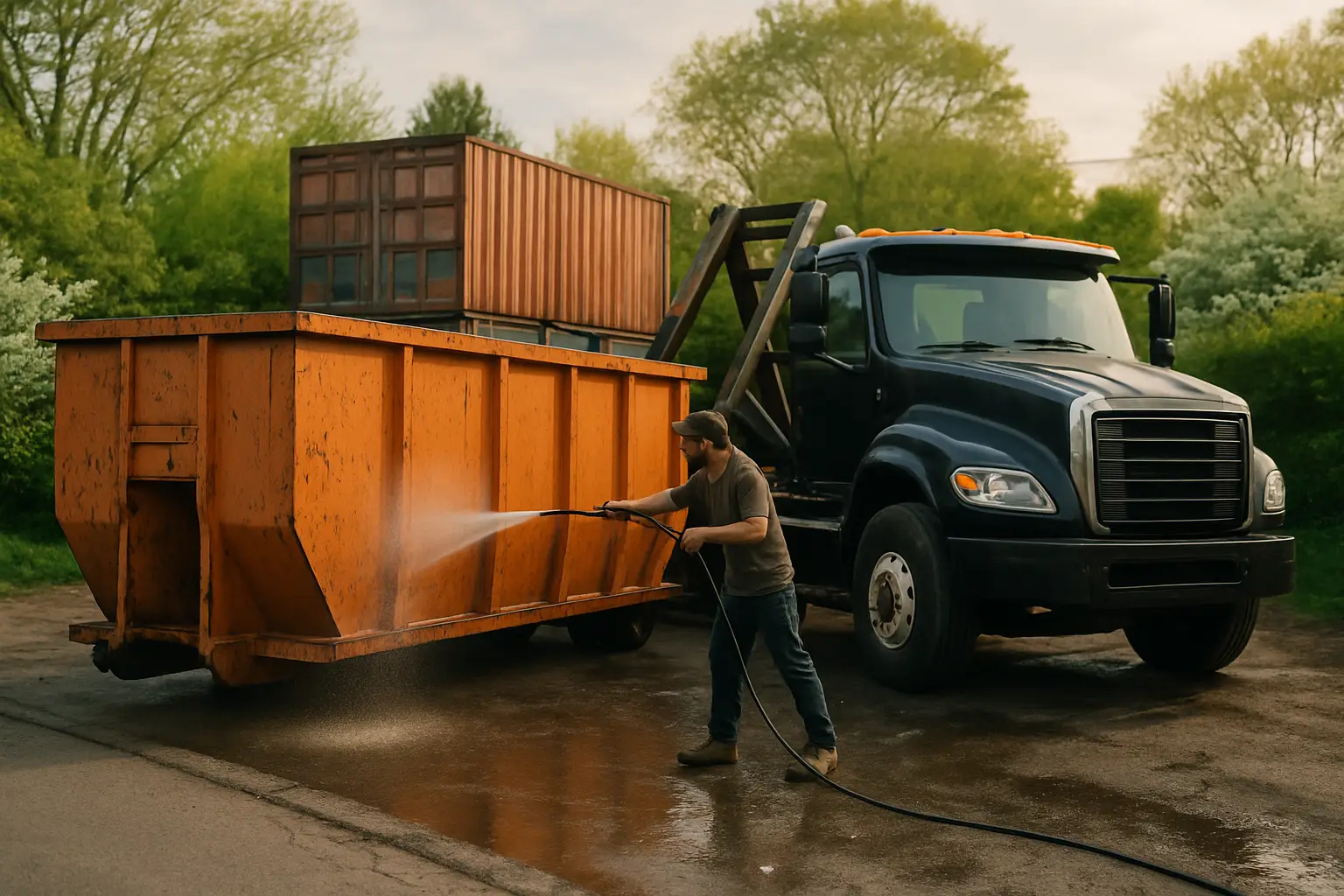
Dumpster Rental Washington, NC gives homeowners, contractors, and property managers a practical way to control debris. Aaron Dumpster Rental helps choose the right container, checks the access route, and coordinates placement for renovations, cleanouts, roofing work, and construction around Washington.

  • Licensed, bonded and insured
  • Serving since 2015
  • 5346+ containers delivered

Local work, plainly handled

Washington projects need the right container first

Aaron Dumpster Rental serves Washington and the surrounding Beaufort County area with containers matched to actual debris, not a sales script. A bathroom refresh may need a smaller box, while a roofing tear-off or estate cleanout can quickly outgrow it. We discuss material type, pile size, driveway conditions, and access before scheduling. That conversation can prevent paying for unused capacity or discovering that heavy debris cannot safely be loaded into the container you chose. Licensed, bonded and insured, our crew has served the area since 2015.

Washington has a mix of older homes, newer subdivisions, commercial corridors, rural properties, and waterfront areas. Each setting changes the practical details. Narrow drives, soft ground after wet weather, overhead branches, utility lines, and busy streets all affect where a container can sit. Aaron Dumpster Rental confirms placement, load limits, and pickup timing before every delivery, so the driver has usable instructions and the customer knows what the job requires before debris starts moving.
  • Open 24/7, Monday to Sunday
  • Serving Beaufort County

Placement and access

Where a container can sit around Washington

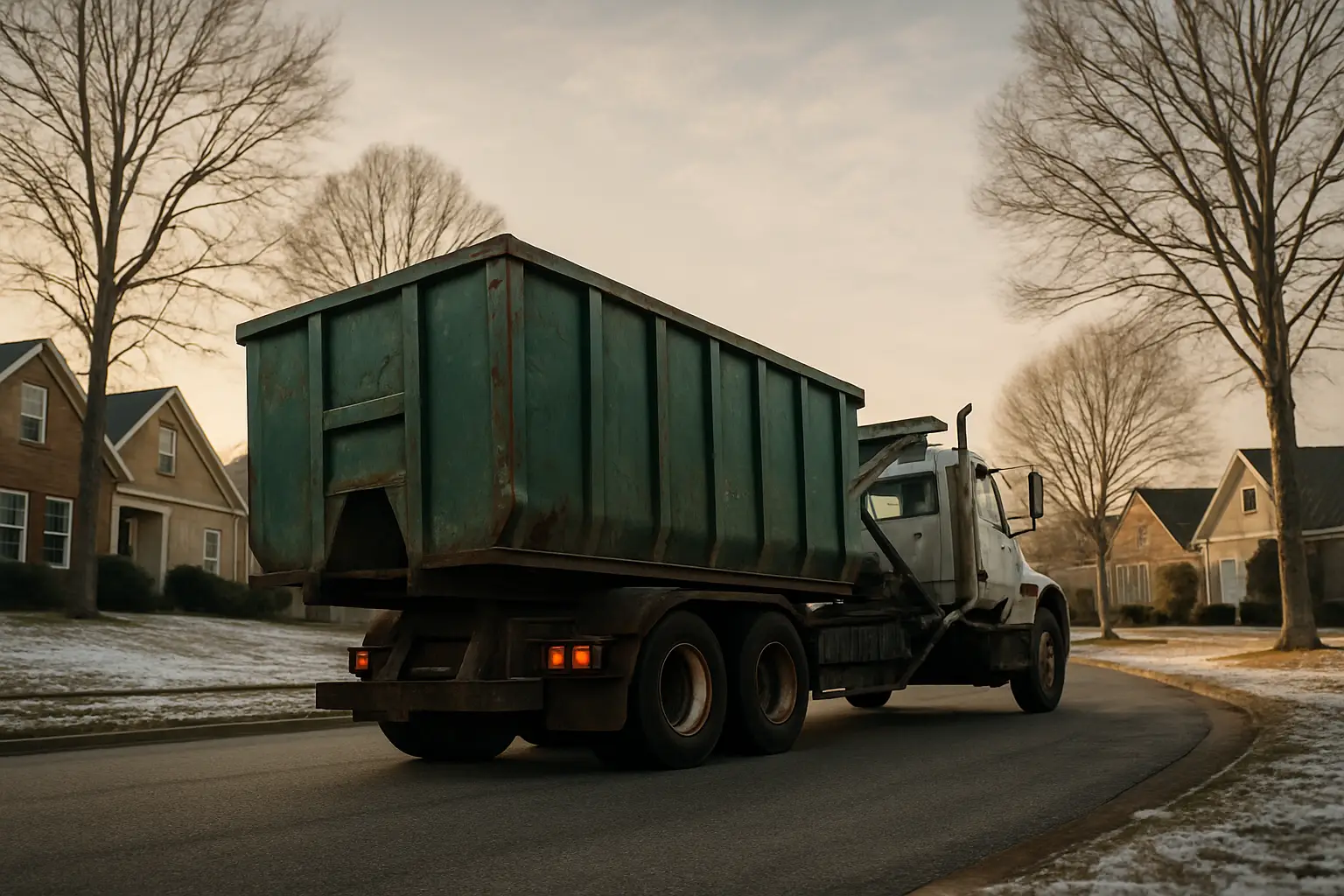
In Washington, a private driveway is usually the simplest placement because it keeps the container off moving traffic and gives the truck a defined target. The surface still matters. Asphalt, concrete, compacted gravel, and soft ground handle weight differently, especially after wet weather. Older neighborhoods may have tighter drives, mature trees, low branches, and utility lines that limit the approach. A container on a public street usually needs town permission first; tell us where it has to sit and we will explain what applies. Keep cars, trailers, basketball goals, and loose equipment out of the route before delivery. The driver needs a clear approach, enough overhead clearance, and room to set the container down without striking structures or landscaping.

Washington also includes properties outside the denser central blocks, where long rural lanes, drainage ditches, gates, grades, and unpaved sections can affect delivery. A route that works for a pickup truck may not work for delivery equipment. Waterfront and low-lying parcels deserve extra attention after heavy rain because soft shoulders can give way under concentrated weight. Send accurate directions for the driveway entrance and identify the intended placement area. If construction vehicles already occupy the property, explain their position so pickup will not be blocked later. Placement confirmation before delivery is especially useful when the container must serve a narrow renovation site or a home near active traffic.

Materials and sizing

How Washington homes change the size decision

Washington's housing stock includes older homes, updated residences, newer subdivisions, and rural properties with different construction materials. An older interior project may produce plaster, lath, thick flooring, cabinets, and heavy trim, while a newer renovation may create drywall, packaging, and lighter framing debris. A garage or attic cleanout is often bulky without being especially dense. Roofing is different because shingles pack tightly and add weight quickly. Yard work can also shift from light brush to soil, roots, and masonry. Describe the material before choosing a size. The visible pile is only part of the decision, since dense debris can make a large container unsuitable even when substantial empty space remains.

Renovation scope matters as much as house age. A single bathroom may fit a smaller tier when the waste is mostly fixtures and limited flooring, while a whole-room project can add wall material, cabinets, and subfloor. Masonry, concrete, brick, and stone should be discussed separately because they can reach safe loading limits quickly. In older neighborhoods, narrow drives and limited staging areas may make repeated smaller loads more practical than one oversized container. In newer areas, subdivision access and driveway geometry still deserve a check. Give us the rooms, materials, and access conditions, and we can explain the sensible capacity rather than simply choosing the largest option.

Project-based options

Dumpster sizes for cleanup and construction work

A container works best when the debris is understood before delivery. These common job types help narrow the choice, but material weight and access still deserve a direct discussion.

  • House Cleanout Dumpsters

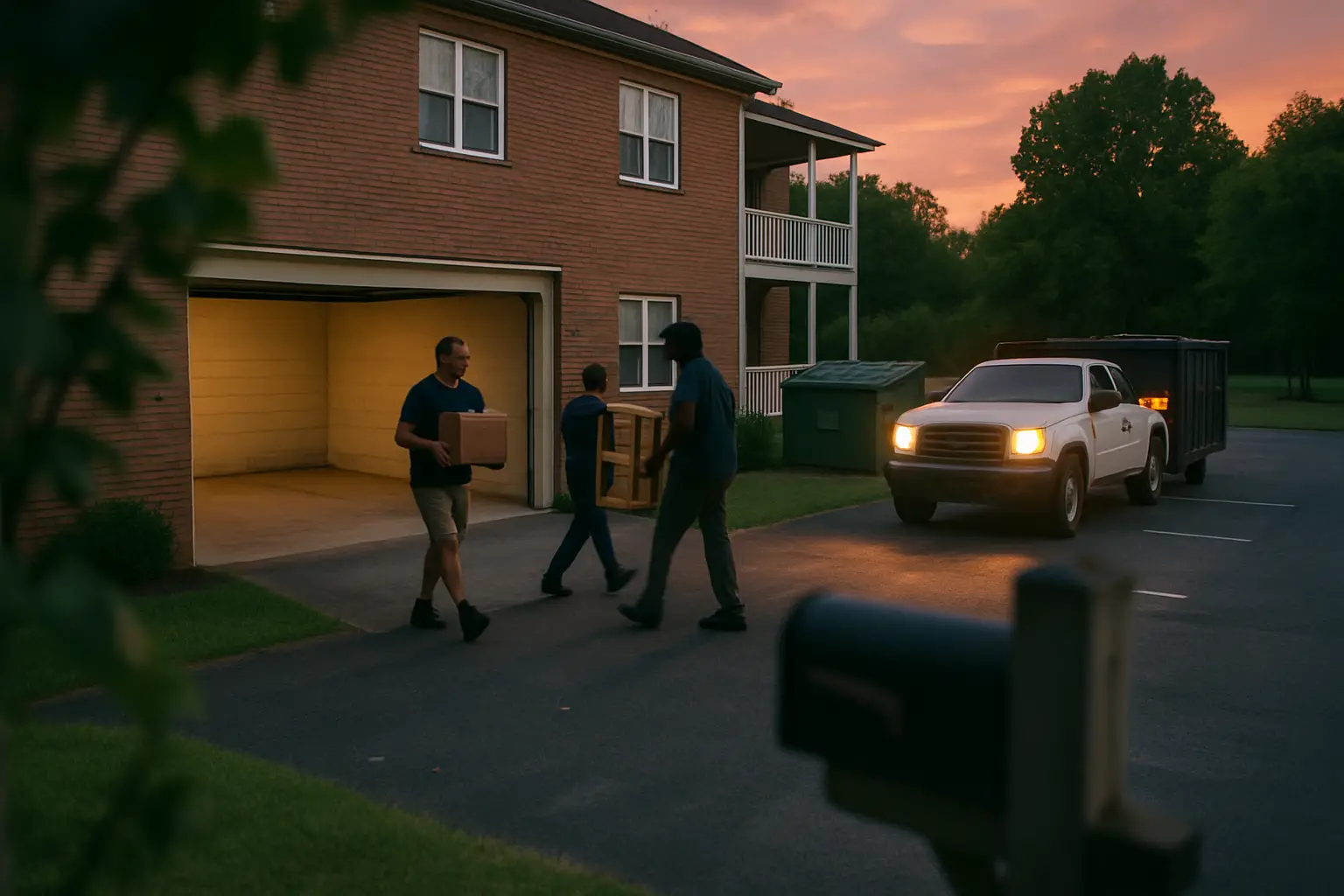
    House cleanouts often combine furniture, boxes, carpet, shelving, and household contents. A container gives the crew one controlled loading point instead of scattered piles. We can discuss the rooms involved, stairs, driveway length, and whether heavier materials such as plaster or masonry are mixed into the load.

    Whole-home cleanup
  • Garage and Attic Cleanout Dumpsters

    Garages and attics hold bulky items in tight spaces, including old tools, storage bins, insulation, and discarded appliances. Tell us how the debris will travel from the building to the container. That helps determine capacity and whether placement leaves enough room for loading and vehicle movement.

    Bulky household debris
  • Home Renovation Dumpsters

    Renovation debris changes as walls, cabinets, flooring, drywall, and fixtures come out. The container should account for both volume and weight, especially when tile, plaster, or framing is involved. Washington remodels may also need placement that protects a driveway and keeps the work area accessible.

    Remodel debris
  • Yard Debris Dumpsters

    Branches, brush, storm cleanup, soil, and landscape tear-outs do not load the same way. Loose limbs take space quickly, while soil and dense material add weight fast. Describe the material and whether it is bagged, bundled, or piled so the container remains practical and safe.

    Outdoor cleanup
  • Roofing Dumpsters

    Roofing jobs generate dense shingles that can reach weight limits before the container looks full. Placement near the tear-off area can reduce carrying distance, but the truck still needs a firm approach and overhead clearance. A roofing estimate should include roof size, layers, and access conditions.

    Shingle disposal
  • Concrete and Masonry Dumpsters

    Concrete, brick, block, and stone are unusually heavy. They may require a smaller container or specific loading instructions rather than a large box filled to the top. Share the material, approximate project scope, and surface where placement is planned before delivery so the load can be handled responsibly.

    Heavy material
  • Same-Day Dumpster Delivery

    Same-day delivery depends on available equipment, a workable route, and a confirmed placement location. It is not a promise that every request can be completed immediately. Have the job address, preferred container, access details, and debris type ready so the schedule can be evaluated accurately.

    Urgent cleanup
  • Commercial Construction Dumpsters

    Commercial work benefits from a planned container position, clear loading area, and pickup coordination that matches the jobsite sequence. We discuss site access, construction materials, traffic patterns, and whether the project needs one delivery or repeated service. This keeps debris from obstructing crews or public areas.

    Jobsite service
  • Recurring Commercial Dumpster Service

    Recurring service suits businesses, contractors, and active projects that produce debris continuously. The schedule depends on expected material, container location, access, and pickup needs. We can review how the site operates and adjust the service plan when construction phases or waste volume change.

    Ongoing debris control

How scheduling works

A clear plan prevents loading problems

  1. Describe the project

    Start with the address, project type, debris materials, and expected amount. Mention roofing, concrete, soil, appliances, or other dense items instead of describing everything as general trash. Specific information makes the size discussion more useful and helps identify restrictions before equipment is assigned.

  2. Review the placement

    We discuss where the container can sit, how the truck will approach, and whether branches, wires, parked vehicles, gates, grades, or soft ground create problems. A driveway is not automatically suitable. The approach must work for the delivery equipment as well as the property owner.

  3. Confirm the container

    The selected tier should leave room for the intended debris without encouraging unsafe overloading. We explain the practical difference between volume and weight, especially for shingles, masonry, soil, and plaster. If a smaller option fits better, we will say so rather than sell unused capacity.

  4. Prepare the access area

    Before delivery, clear vehicles, toys, tools, low branches, and other obstructions from the planned route and placement zone. Protect private surfaces as appropriate and confirm that gates are open. If the container must sit on a street, discuss local permission requirements before scheduling.

  5. Load and coordinate pickup

    Load evenly, keep material below the top edge, and follow the agreed material limits. Do not place prohibited or uncertain items without checking first. When the project is finished, pickup timing is coordinated from the original access information and any changes at the property.

Other ways we help

Some projects need a different cleanup approach

Why local details matter

The job is more than dropping a box

  1. Placement gets checked before delivery

    A container that fits the debris may still fail at the property. Washington drives can be narrow, curved, sloped, or bordered by trees and utility lines. Waterfront and low-lying areas may have softer ground after rain. We discuss the approach, surface, clearance, and loading path before equipment is dispatched, reducing avoidable placement problems.

  2. Heavy material changes the answer

    A full container is not always a properly loaded container. Shingles, concrete, brick, soil, and plaster become weight concerns well before bulky household items fill the available space. We ask what is being removed, not only how many rooms are involved. That can lead to a smaller, more suitable choice or a different loading plan.

  3. The details are confirmed upfront

    Aaron Dumpster Rental confirms placement, load limits, and pickup timing before every delivery. That means the customer and driver are working from the same basic instructions rather than sorting out access after the truck arrives. It also gives contractors and property owners a chance to correct an unsafe location before debris begins accumulating.

Working standards

What we check on every project

  • First, we identify the debris type before recommending a container size.
  • Placement must leave the truck a usable approach and the property a workable loading area.
  • Heavy materials receive separate attention because volume alone does not show total load weight.
  • Access details include gates, grades, overhead branches, wires, parked vehicles, and surface conditions.
  • Customers should keep debris below the container rim and distribute it evenly.
  • Before delivery, confirm any required permission for a container placed on a public street.
  • Weather can soften unpaved ground, so rainy conditions may change the safest placement.
  • Finally, pickup coordination depends on the access information remaining accurate at the property.

Common questions

Answers before you schedule a container

What size dumpster do I need in Washington?

The right size depends on debris volume, material weight, and the space available for placement. A small bathroom or limited yard cleanup may need a smaller tier, while a whole-room renovation or estate cleanout may require more capacity. Roofing, soil, concrete, brick, and plaster need special attention because they become heavy quickly. Washington driveways can also limit which container fits safely. Have the project type, materials, address, and access details ready for the sizing discussion.

Can a dumpster go in my Washington driveway?

Often, yes, if the driveway has a suitable surface, enough approach space, adequate clearance, and room for the truck to place the container. Gates, grades, parked vehicles, branches, wires, and soft ground can change the answer. Wet weather may make an unpaved area unsuitable. Clear the route and identify the exact placement area before delivery so access can be reviewed accurately.

Do I need permission for a dumpster on a Washington street?

A container placed on a public street usually needs town permission before delivery. Requirements can depend on the street, placement location, traffic conditions, and duration. Private property is generally simpler, but it still needs safe truck access. Tell us if the container must occupy public space, and have the address and proposed location available so applicable requirements can be discussed before scheduling.

What can I put in a dumpster?

Common renovation, household, roofing, and yard debris may be accepted, but materials must stay within the agreed limits. Concrete, brick, soil, appliances, chemicals, batteries, paint, and other uncertain items should be identified before loading. Do not assume that an item is acceptable because it fits. Make a material list, separate questionable items, and ask about anything that could be restricted or unusually heavy.

How full can I load the container?

Load material evenly and keep it below the top edge so the container can be transported safely. Overfilled debris can fall during movement and may prevent pickup. Heavy materials also need to remain within the agreed load limits even when the box appears partly empty. Break down bulky items where practical, distribute weight across the floor, and avoid leaving loose material above the rim.

Can I get same-day dumpster delivery in Washington?

Same-day delivery may be possible when the needed equipment, route, placement, and schedule line up, but it cannot be guaranteed for every request. Accurate information improves the chance of evaluating it correctly. Provide the address, desired tier, debris type, access conditions, and preferred timing. Washington traffic, weather, and a blocked placement area can affect whether a same-day request is workable.

How long can I keep a dumpster?

The rental period depends on the project plan, container availability, pickup coordination, and the access conditions at the property. A short cleanout and a phased renovation may need different arrangements. Weather can also extend outdoor work, particularly during wet periods. Explain the expected loading schedule and tell us early if the project changes so pickup timing can be coordinated instead of guessed.

How should I prepare for dumpster delivery?

Clear the planned route and placement area of vehicles, equipment, toys, branches, and other obstructions. Check gates, overhead clearance, driveway surface, slope, and access for the delivery truck. If the container must sit on a public street, discuss permission first. Have the address, material list, preferred location, and project timing ready so the delivery plan reflects actual conditions in Washington.

Plan the job

Bring the site details before scheduling

Aaron Dumpster Rental can review the project, material type, container location, and access conditions with you before delivery. Service is available 24/7, Monday to Sunday. A short, specific description helps determine whether Dumpster Rental is the practical choice and which tier will handle the work without unnecessary capacity.

Phone

(252) 250-3738

The call covers project materials, container size, placement, access, timing, and any unusual loading concerns.

Availability

24/7
Monday to Sunday, day and night

Have this ready

  • Project address
  • Debris materials
  • Preferred placement
  • Target pickup timing

Where we work

Washington, plus Chocowinity, Bath, Aurora, Belhaven, Plymouth, Jamesville, Greenville, Williamston, Grimesland and Ayden.

See the full service area list

Get the container choice right before debris piles up

Describe the Washington project, the materials involved, and where the container needs to sit. Aaron Dumpster Rental will review access, capacity, load limits, and pickup coordination so the plan fits the property.

Click Here to Call(252) 250-3738

Nearby service area

Dumpster service beyond central Washington

Aaron Dumpster Rental serves Washington and nearby communities across Beaufort County and the surrounding area. Coverage includes Chocowinity, Bath, Aurora, Belhaven, Plymouth, Jamesville, Greenville, Williamston, Grimesland, and Ayden. Access, placement, and material details still vary by property, so provide the exact address and project information when discussing delivery.

neighborhoods

Downtown WashingtonHistoric DistrictWashington HarborRiver RoadThe HighlandsFive Points

Dumpster Rental in nearby towns

Click Here to Call(252) 250-3738